Imagine starting your day with coffee on Main Street, strolling past brick storefronts, and heading home along tree-lined sidewalks. If you want a walkable lifestyle with small-city charm and rich history, Historic Downtown Franklin delivers. In this guide, you’ll learn what daily life feels like, the types of homes you’ll find, and the practical details to know before you buy. Let’s dive in.
Historic heart and walkability
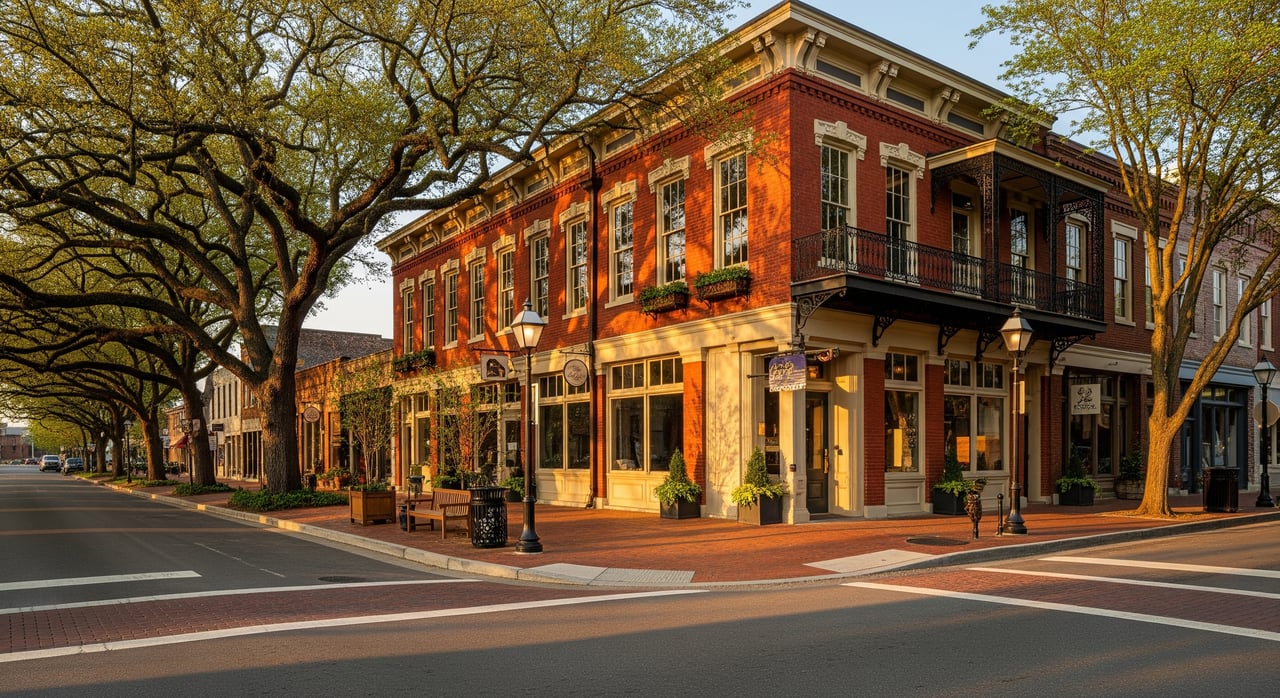
Downtown Franklin centers on a National Register historic district with 19th- and early-20th-century buildings. The blocks are compact, so it’s easy to walk between cafés, boutiques, galleries, and services. You’ll see restored brick commercial facades, renovated cottages, and quality infill that keeps the area pedestrian-friendly. Franklin serves as a distinct city south of Nashville, and downtown acts as its cultural and civic core.
Daily rhythm: calm mornings to lively weekends
Most days feel neighborly and relaxed, especially in the early morning and on weekday evenings. Outdoor dining, public seating, and sidewalk activity pick up in warmer months. Weekends and festivals bring more energy, with increased foot traffic and occasional street closures. If you like variety, you’ll appreciate how the pace shifts between quiet weekdays and lively event days.
Dining, shopping, and services
Downtown’s food scene spans coffee shops, brunch spots, bakeries, and several refined dining options. You’ll also find wine bars and venues with live music on select nights. Retail leans toward independent boutiques, artisan goods, and specialty food purveyors rather than big-box stores. Professional services, fitness studios, salons, and small offices are woven into the district, so everyday needs are close by.
Parks, culture, and events
Historic sites and museums near the core tell the story of the area’s Civil War history. A restored theater and smaller performance spaces host concerts, films, and community programming throughout the year. For fresh air, nearby green spaces and parks offer room for walks, picnics, and gatherings, with an expansive farm-park close to downtown used for events and passive recreation. Festivals and holiday traditions are a defining feature, creating a strong sense of place and community.
Homes in the core
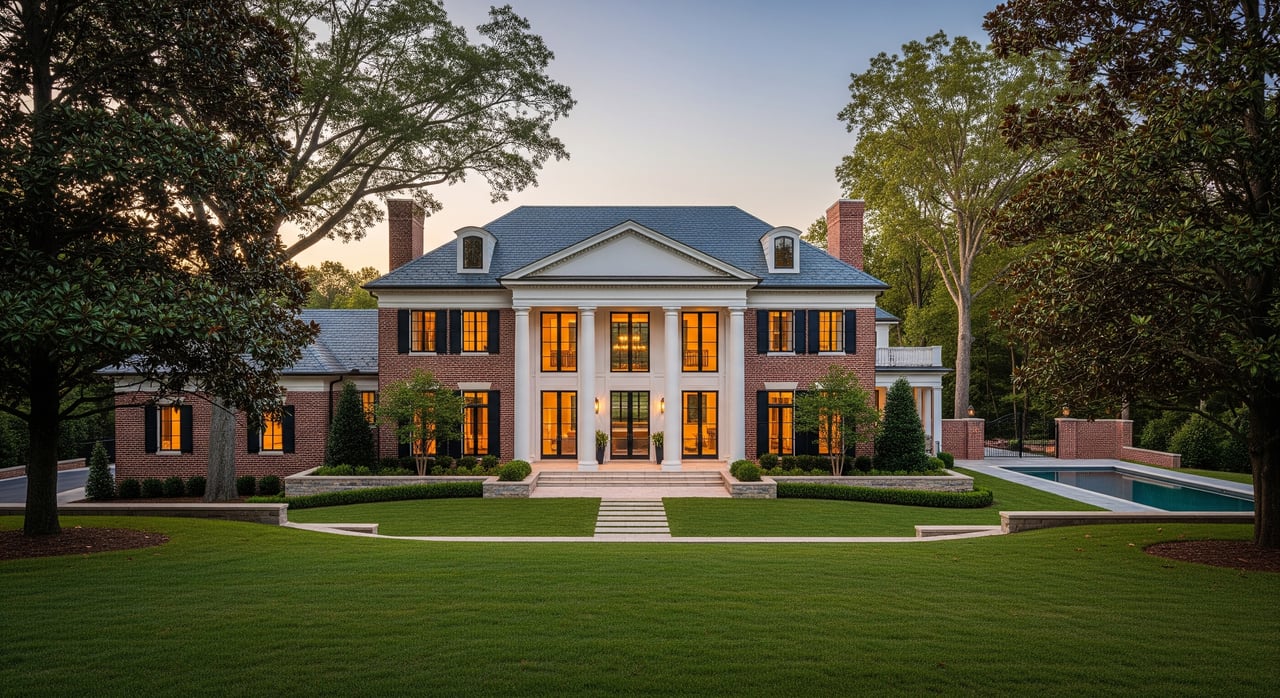
You’ll see a blend of historic and newer housing types within and around the downtown district:
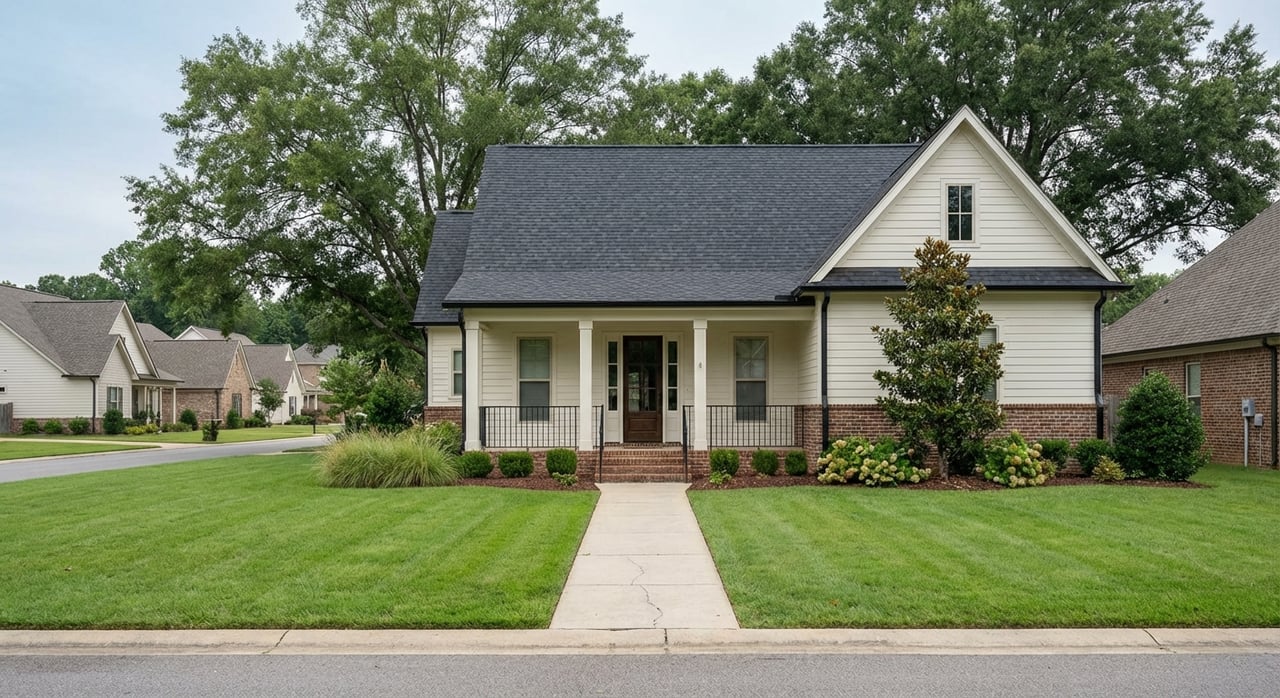
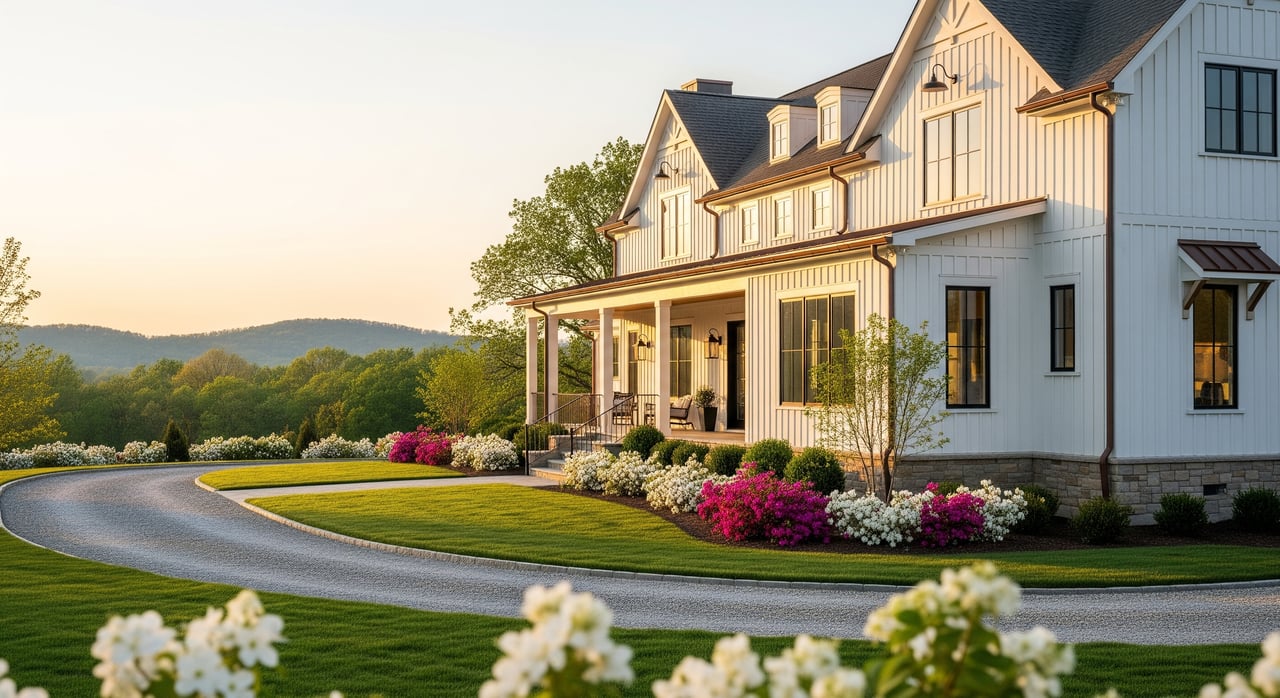
- Renovated historic cottages and small single-family homes with updated interiors and character-rich exteriors.
- Compact detached houses and row-style homes on smaller lots that reflect the older street grid.
- Townhomes and low- to mid-rise condos designed for a low-maintenance, walkable lifestyle.
- Upper-floor apartments and live/work lofts above retail in converted buildings.
Homes near the core typically carry a premium because of walkability, historic character, and limited supply. Inventory is often tight, and turnover can be slower, which makes preparation and timing important.
Renovation and preservation basics
Adaptive reuse is common, and many commercial buildings include residential space above. If you are planning exterior changes within the historic district, expect a design review process and required permits. Interiors are often modernized, but with older homes you should plan for potential upgrades to wiring, plumbing, and insulation. For condos and townhomes, review HOA documents for maintenance responsibilities, fees, and reserves.
Practical buyer considerations
Buying in a historic downtown comes with unique tradeoffs. Keep these points in mind as you explore options:
Parking and traffic
On-street parking and municipal lots serve the area, with availability varying by time and during events. If you own multiple cars, confirm whether a home offers a private garage or driveway and whether any permits are available. Traffic can increase on festival days and during peak tourism, so plan to visit at different times to see the full picture.
Noise and activity
Ambient noise is typically moderate, with more activity during festivals and live performances. If you are sensitive to sound, evaluate a property at various hours to understand how noise carries. Consider window quality and bedroom placement if you prefer a quieter interior.
Commuting and transit
Most residents use personal vehicles for commuting. Downtown connects quickly to regional road corridors toward greater Franklin and Nashville. Public transit options to Nashville are limited compared to larger metro systems, so confirm current commuter choices if car-free travel is important to you.
Schools and healthcare
The area is served by Williamson County Schools. If school zoning matters to your move, confirm current boundaries and options during your search. Healthcare access is straightforward, with a local hospital and medical services close to the core.
Short-term rentals and local rules
Some jurisdictions regulate short-term rentals. If you plan to pursue Airbnb-type income, verify city rules, any county requirements, and HOA restrictions early in the process. This due diligence helps avoid surprises after closing.
Flooding, utilities, and insurance
As with many older downtowns, it’s smart to check property-specific risk. Review flood zones and stormwater patterns, and order a comprehensive home inspection that assesses sewer, water, and electrical systems. Confirm insurance needs and costs based on the property’s location and age.
Is downtown Franklin a fit for you?
If you value character, walkability, and a social streetscape, downtown living will likely feel rewarding. Downsizers often appreciate lower yard maintenance and proximity to dining and services. If step-free living is a priority, look for single-level condos or elevator-served buildings, since many historic homes include stairs. If a large yard or frequent guest parking is essential, you may prefer neighborhoods just beyond the core.
How to tour like a local
See how the district shifts across the week and season. Use this simple plan:
- Visit early on a weekday to gauge the neighborhood feel and morning routines.
- Return on a weekend evening to experience dining and music.
- Schedule a walk-through during a festival day to understand parking, noise, and access.
- Time your drive to and from key destinations during peak and off-peak hours.
- If you plan renovations, review historic guidelines and timelines before making an offer.
Smart next steps
Buying in Historic Downtown Franklin is about balancing lifestyle and logistics. A thoughtful strategy will help you secure the right home and avoid common pitfalls. When you are ready to compare housing types, assess renovation timelines, and navigate historic guidelines with confidence, connect with a local advisor who knows the district block by block. For a calm, consultative approach tailored to your goals, reach out to Tom Laskey.
FAQs
What makes Historic Downtown Franklin walkable?
- The district has compact blocks, continuous storefronts, and short distances between daily needs like cafés, shops, and services.
Which housing types are common near the core?
- You’ll find renovated cottages, compact single-family homes, townhomes and condos, and upper-floor apartments or lofts above retail.
Do I need approvals to renovate a historic home?
- Exterior changes within the historic district typically require design review and permits, so plan for approvals and added time.
How busy does it get during festivals?
- Activity increases significantly, with higher foot traffic and occasional road closures. Visit on an event day to see how it feels for you.
Are townhomes and condos good for downsizing?
- Many buyers choose them for lower maintenance and proximity to amenities. Review HOA fees, services covered, and reserves.
What should I check before making an offer downtown?
- Evaluate parking arrangements, potential noise, commute patterns, flood risk, inspection findings, HOA rules (if applicable), and historic guidelines.